
Hormone Therapy Fatigue Relief: Getting Your Groove Back After the Crash
When Exhaustion Won’t Quit: What Hormone Therapy Fatigue Really Means
Hormone therapy fatigue relief is one of the most searched topics by women in their 40s — and for good reason. This kind of exhaustion is different from normal tiredness. It doesn’t go away after a good night’s sleep. It shows up in the middle of the day, clouds your thinking, and makes even small tasks feel like a mountain.
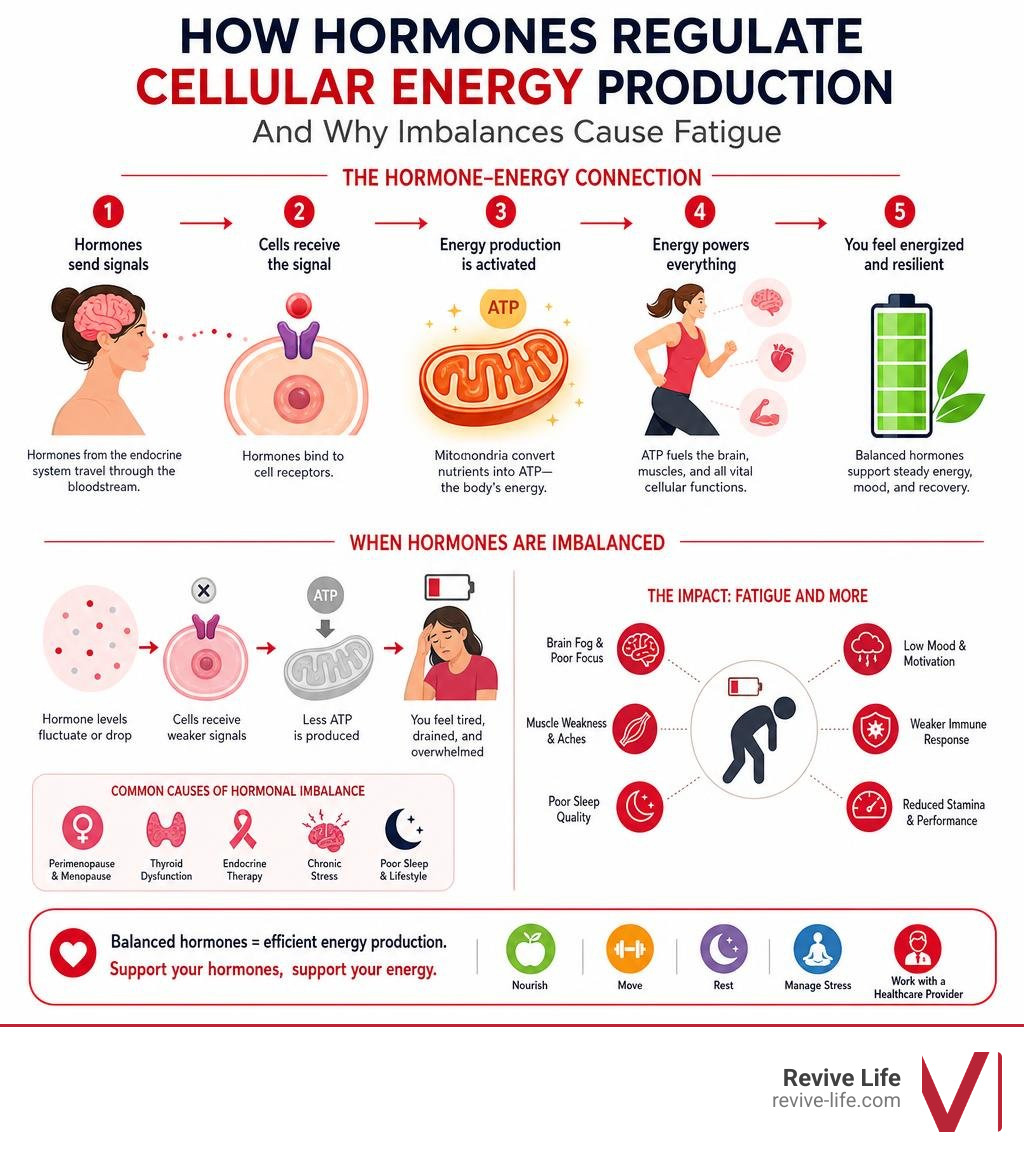
Whether your fatigue is linked to perimenopause, menopause, or endocrine therapy for a hormone-dependent condition, the root cause often comes back to one thing: shifting hormone levels that disrupt how your body makes and uses energy.
Here are the most effective evidence-based approaches that may help relieve hormone-related fatigue:
- Hormone therapy (HRT/BHRT) — may help restore estrogen, progesterone, and testosterone levels that support energy, sleep, and metabolism
- Regular exercise — including yoga, Pilates, and resistance training, which research links to better sleep quality and reduced fatigue
- Sleep optimization — addressing night sweats and insomnia that worsen hormonal exhaustion
- Nutritional support — balanced meals, hydration, and targeted supplements to support energy metabolism
- Mind-body therapies — such as cognitive-behavioral therapy (CBT), mindfulness, and acupuncture
- Medical monitoring — working with a qualified provider to assess hormone levels and adjust treatment as needed
Note: Results vary from person to person. None of the above are guaranteed to work for everyone. Always consult a qualified healthcare provider before starting any treatment.
Fatigue is the most frequently reported symptom among perimenopausal and menopausal women, according to a 2017 study — and more than half of women who experience frequent symptoms report them lasting seven years or longer. That’s not something you just push through.
This guide breaks down why hormonal fatigue happens, what the research says about managing it, and what a personalized approach may look like for you.
Understanding the Link Between Hormones and Energy
To understand how to find hormone therapy fatigue relief, we first have to look at how our internal chemical messengers run the show. Hormones act like a highly coordinated biological orchestra. When one instrument is out of tune, the entire performance feels off.

Our endocrine system regulates metabolic speed, cellular function, and stress stamina. When key hormone levels drop or fluctuate wildly, our cellular power plants—the mitochondria—struggle to produce adenosine triphosphate (ATP), the primary energy currency of the body. If you want to dive deeper into identifying these shifts, check out The Ultimate Checklist for Spotting Hormonal Imbalance Symptoms to see if your fatigue matches a broader pattern.
How Estrogen and Progesterone Fluctuations Drain Vitality
For women navigating perimenopause and menopause, the decline of estrogen and progesterone is rarely a smooth, gentle slope. Instead, it is often a bumpy roller coaster.
Estrogen plays a key role in supporting mitochondrial energy production. When estrogen levels drop, cellular fuel efficiency can decline, leaving you feeling like a dial-up modem in a fiber-optic world. To make matters worse, up to 80% of menopausal women experience vasomotor symptoms—better known as hot flashes and night sweats. These sudden bursts of heat disrupt deep sleep cycles, causing frequent nighttime awakenings and daytime exhaustion.
Progesterone, on the other hand, is our natural calming hormone. It supports GABA pathways in the brain to promote relaxation and restorative sleep. When progesterone declines, insomnia often moves in, compounding the physical exhaustion. A small clinical study highlighted that progesterone therapy can have a positive effect on insomnia in peri- and postmenopausal women, helping to break the cycle of sleeplessness and daytime fatigue.
Testosterone Decline and Physical Stamina
Though often labeled a “male” hormone, testosterone is actually the most abundant biologically active sex steroid in women throughout their lives—circulating at levels roughly 10 times higher than estradiol during peak reproductive years.
In both men and women, testosterone is a major driver of physical stamina, muscle mass maintenance, and mental motivation. As levels decline with age (or due to medical treatments), many people experience:
- Muscle loss and physical weakness
- A sudden drop in workout recovery and stamina
- Unrefreshing sleep and persistent brain fog
- A loss of “get-up-and-go” motivation
In a retrospective study analyzing women aged 27 to 78 receiving individualized testosterone optimization, an impressive 84.3% of participants reported a significant improvement in energy and fatigue. In fact, energy and fatigue relief was the single most frequently selected area of greatest benefit, showing near-maximal improvement within 4 to 6 months of starting optimized care.
Endocrine Therapy and Cancer-Related Fatigue
While age-related hormone decline is a gradual process, endocrine therapy for hormone-dependent malignancies—such as breast cancer and prostate cancer—creates a sudden, profound hormonal shift.

Endocrine therapies work by blocking cancer cells from using hormones to grow.
- In breast cancer, therapies like aromatase inhibitors (which stop estrogen production) or selective estrogen receptor modulators (SERMs like tamoxifen) are commonly used.
- In prostate cancer, androgen deprivation therapy (ADT) is utilized to lower testosterone to castrate levels.
While these treatments are highly effective at managing hormone-dependent cancers, they frequently cause severe, sudden-onset cancer-related fatigue (CRF). You can read more about these clinical relationships in the comprehensive review on Scientific research on endocrine therapy-induced fatigue.
Mechanisms of Cancer-Related Fatigue
Unlike normal tiredness, endocrine therapy-induced fatigue is a complex mix of physiological and psychological factors:
- Energy Metabolism Disruptions: Abruptly removing sex hormones impairs mitochondrial function, decreases red blood cell production (potentially leading to mild anemia), and alters glucose metabolism.
- Sleep and Mood Disruption: Severe hot flashes, night sweats, and anxiety caused by sudden hormone depletion severely degrade sleep quality.
- Psychological Burden: Navigating a cancer diagnosis, treatment schedules, and fear of recurrence creates a persistent mental load that drains physical reserves.
This profound exhaustion can impact daily functioning, reduce quality of life, and unfortunately, lead some patients to discontinue their life-saving endocrine therapies early. Finding accessible ways to manage this fatigue is essential for both long-term health outcomes and daily wellbeing.
Evidence-Based Strategies for Hormone Therapy Fatigue Relief
Relieving hormonal exhaustion requires a multi-layered approach. While there is no single “magic pill” to instantly erase fatigue, combining targeted medical support with active lifestyle changes can make a world of difference.

Non-Pharmacological Approaches to Hormone Therapy Fatigue Relief
Clinical research strongly supports non-pharmacological therapies as the first line of defense for managing hormonal and cancer-related fatigue.
- Exercise (Yoga, Pilates, and Resistance Training): It might feel counterintuitive to move when you are exhausted, but regular physical activity is one of the most effective ways to boost natural energy. Gentle resistance exercise helps prevent muscle loss and keeps muscles strong during hormone-blocking treatments. Pilates and yoga have been shown to improve sleep quality, reduce anxiety, and decrease fatigue in postmenopausal women.
- Acupuncture: Some clinical trials suggest that acupuncture may help regulate the nervous system, reduce the frequency of hot flashes, and improve overall energy levels.
- Cognitive-Behavioral Approaches: Cognitive-behavioral therapy (CBT) and mindfulness-based stress reduction (MBSR) help patients manage the emotional strain of chronic fatigue, improve sleep hygiene, and reframe coping mechanisms.
Targeted Support and Hormone Therapy Fatigue Relief
For those experiencing age-related hormonal decline, restoring balance through professional, personalized care is often a highly effective path forward.
Bioidentical Hormone Replacement Therapy (BHRT) uses plant-derived hormones that are biologically identical to those naturally produced by your body. Rather than using a one-size-fits-all synthetic drug, BHRT is customized to your specific lab results and symptoms.
In addition to sex hormones, optimizing thyroid function and managing cortisol (your primary stress hormone) are essential steps in reclaiming your vitality. If you suspect your thyroid might be contributing to your sluggishness, take a look at The Holistic Thyroid Hormone Therapy Roadmap to understand how comprehensive metabolic support works.
For local residents looking to explore these personalized avenues, consulting with experienced practitioners in the Chicagoland area can provide clarity. Working with a qualified provider allows you to receive a comprehensive evaluation of your hormone levels, lifestyle factors, and overall health to design a customized plan that addresses the root causes of your fatigue.
Holistic and Supportive Care Measures
While medical therapies provide the structural foundation for recovery, your daily habits supply the fuel. Small, consistent lifestyle adjustments can significantly reduce the severity of hormonal exhaustion.
- Nutrition: Focus on whole, nutrient-dense foods that stabilize blood sugar. Avoid refined sugars and simple carbohydrates, which trigger rapid energy spikes followed by exhausting crashes. Incorporating lean proteins, healthy fats, and plenty of vegetables supports sustained cellular energy.
- Hydration: Even mild dehydration can impair cognitive function and worsen feelings of sluggishness. Aim for steady water intake throughout the day.
- Stress Management: High stress triggers a continuous release of cortisol, which eventually depletes your adrenal reserves and leaves you feeling “wired but tired.” Practicing deep breathing, spending time in nature, and setting healthy boundaries can help protect your energy.
To help you compare your options, here is a quick breakdown of how different lifestyle and supportive measures target fatigue:
| Intervention | Primary Mechanism | Best For | Expected Timeline |
|---|---|---|---|
| Gentle Resistance Exercise | Prevents muscle wasting; improves metabolic rate | Physical stamina and strength | 4 to 8 weeks |
| Yoga & Pilates | Lowers stress hormones; improves sleep quality | Mental clarity and sleep support | 2 to 4 weeks |
| Targeted Nutrition | Stabilizes blood sugar; supports mitochondrial health | Preventing afternoon energy crashes | 1 to 2 weeks |
| Mindfulness / CBT | Reduces psychological burden; improves coping | Emotional fatigue and sleep hygiene | 4 to 12 weeks |
If you are ready to explore how professional, science-backed optimization can help you reclaim your vitality, read more about taking a proactive approach in Stop the Clock with Professional Hormone Optimization.
Frequently Asked Questions About Hormonal Fatigue
What causes sudden fatigue during hormone therapy?
Sudden fatigue is typically triggered by rapid shifts in your hormone levels. When estrogen, progesterone, or testosterone levels drop quickly—either due to natural transitions or medications that block hormone production—it temporarily disrupts cellular energy production and sleep patterns, leading to an abrupt energy crash.
How long does it take to see improvements in energy levels?
Because everyone’s endocrine system is unique, there is a stabilization period. Some people report noticing subtle improvements in their sleep and daily energy within a few weeks of starting lifestyle adjustments or hormone optimization. For others, it may take 3 to 6 months of gradual progress as hormone levels stabilize and cellular function restores.
Can lifestyle changes alone resolve chronic hormonal exhaustion?
While a healthy diet, regular movement, and stress management are essential components of supportive care, they may not completely resolve severe fatigue if there is an underlying, unaddressed hormonal deficit. A holistic approach that combines healthy lifestyle habits with personalized medical guidance usually yields the most balanced, long-term results.
Conclusion
Hormonal fatigue can make you feel like a passenger in your own life, but you do not have to accept persistent exhaustion as your new normal. Whether you are navigating the natural transitions of perimenopause, managing the side effects of endocrine therapy, or simply trying to get your energy back, a personalized, root-cause approach can help you rebuild your vitality from the inside out.
At Revive Life in Schaumburg, IL, we focus on science-backed, personalized wellness care designed to restore balance and support your body’s natural energy pathways. Located at 31 North Roselle Road, we are proud to serve the Chicagoland community with holistic wellness strategies. Discover how to align your lifestyle and hormone health by reading Hormone Harmony in the Suburbs.
If you are looking for an advanced way to support cellular energy production and fight fatigue at the mitochondrial level, we invite you to Explore NAD+ Therapy for Cellular Energy and take your first step toward getting your groove back today.